
Cloud, edge and fog computing are sometimes talked about in conjunction with IoT because these applied sciences support each other. Web of Things relies on totally different data administration providers to store and analyze IoT system data and metrics, allow automation, and so forth. These computing technologies differ of their design and function however typically complement each other. Let’s take a glance at the necessary thing advantages of cloud, fog and edge computing to better perceive where to use each of those approaches.
Where Do The Strongest Tides On Earth Occur? Exploring The Results Of Geography And Moon Phases
The knowledge, therefore, could be accessed offline because some portions of it are stored domestically as properly. This is another key distinction between fog computing vs cloud computing, where all the intelligence and computing are carried out and stored on remote servers. The fog layer offers further security measures to edge devices, similar to encryption and authentication. This helps to protect sensitive data from unauthorized entry and cyberattacks. Both fog and clouds type via a process referred to as condensation. This happens when heat air rises and cools, causing water vapor to show into liquid droplets.
- Information on temperature is important for comprehending these processes totally.
- As a matter of truth, the water vapor or droplets are simply invisibly flowing by way of the air.
- These networks clear up many issues that can’t be solved by IoT cloud computing providers and adapt the decentralized information storage to explicit needs.
- The connection between fog and clouds ensures that ecosystems receive the moisture they need to thrive, while the combination helps stabilize temperatures and regulate surface water levels.
Clouds, notably those who carry aerosols, mirror daylight, leading to cooler surface temperatures. This duality demonstrates how clouds affect both temperature extremes and meteorological circumstances. Understanding this relationship is crucial for predicting weather https://estroversione.com/tips-on-how-to-hire-wordpress-developer-in-2025/, as clouds often dictate whether or not will most likely be a sunny day or one crammed with precipitation, similar to rain or snow. The presence of fog and clouds can instantly impression climate and weather patterns.
Our mission is to shed light on the thrilling world of climate, providing useful assets and knowledge to both fanatics and professionals. In contrast, clouds can affect energy consumption in cities. Overcast skies might scale back the necessity for artificial lighting in the course of the day but increase reliance on heating when temperatures drop. At a sure peak, fog might remodel right into a cloud and contribute to the React Native water cycle.
Fog computing has a number of unique traits that make it a beautiful option for organizations trying to course of information in real time. The major distinction between clouds and fog is that clouds are generated when vapor is transformed into liquid and takes the type of small condensed particles. IoT edge computing is an optimal resolution for small instant operations that need to be processed at millisecond charges. When many small operations are taking place concurrently, performing them domestically is quicker and cheaper. Retail shops are a prime example of edge computing in action. Let’s explore the difference between cloud, fog, and edge computing.
In distinction, advection fog happens when warm moist air strikes over cooler surfaces, inflicting condensation. Decrease temperatures at ground stage, significantly in the course of the evening or early morning, contribute to fog formation. For example, freezing fog can form ice crystals on surfaces, presenting additional hazards for drivers.
Enable Iot
The most vital distinction between cloud computing and fog computing is their location. The decentralized information storage approaches (fog and edge) correspond with a number of the main IoT needs, such as accessibility, safety, mobility, and real-time processing. Edge computing and fog computing are two concepts which are often used interchangeably, but they have essential variations. Edge computing is a decentralized computing model that brings data processing nearer to the units and sensors that generate it. Fog computing, then again, is a distributed computing mannequin that extends the capabilities of edge computing to a larger community of units and sensors.
Search Type

The smoke offers particles for the water vapor to condense round. This mixture of smoke and water vapor is a dangerous one. A tremendous https://www.globalcloudteam.com/ fog is so dense that you would not have the power to see your own hand in entrance of your face.
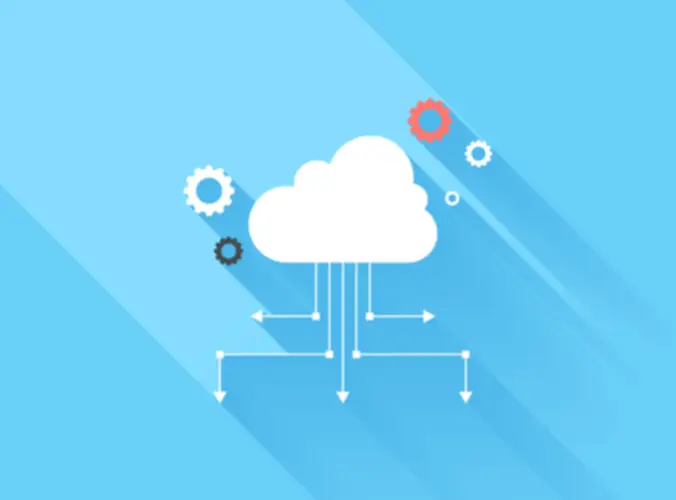
A security breach in IoT networks may mean compromising complete companies and industries, affecting millions of related gadgets and individuals who use them. Cloud storages are harder to focus on because of their distant position and security practices. In the longer term, units can use beforehand collected knowledge to detect vulnerabilities before they even show. Builders and companies can use it to know their customers better.
As beforehand acknowledged, each cloud and fog are generated by vapor condensation. When this fog touches an item the main difference between a fog and a cloud is, it creates small droplets and rain. When chilly air obtains dew from melting rain, the dew point rises. Do you need help with selecting computing and data administration options for your project? Leave your message and our consultants will contact you inside in the future to talk about your needs. Welcome to ChaseDay.com, your premier source for insightful and technical articles and reviews on climate events.